
NSL Parking Services Update for Barnet UNISON members


Barnet UNISON has been informed that the NSL Parking Service has been reduced after discussions with Barnet Council.

The service is reducing from approximately 50-55 staff on the streets to only 15 staff working between the hours of 7am and 7 pm.

Full details of Parking in Barnet can be found on the Council website here https://www.barnet.gov.uk/coronavirus-covid-19-latest-information-and-advice/covid-19-parking-arrangements

The new rota is five days on and 10 days off.

Barnet UNISON statement:

If you have any concerns email the branch at

contactus@barnetunison.org.uk

You can keep up to date with Barnet UNISON here on our

Website here https://www.barnetunison.me.uk/wp/

Facebook https://www.facebook.com/BarnetUNISON/

Twitter https://twitter.com/barnet_unison

Barnet UNISON seek Hazard Payment for frontline workers

TESCOs announced a few days ago that they are giving frontline staff a 10% bonus to recognise their invaluable effort to help feed the nation.

The majority of key workers being asked to go into work and face the risks of contracting COVID 19 are often the lowest paid workers such as:

  • Care workers
  • Cleaners
  • Street Scene workers, Bin workers, street cleansing, drivers etc.
  • School Support staff

In recognition of the risks they are taking every day whilst having to cope with the stress and anxiety of trying to cope at home with all the restrictions COVID 19 is bringing into their lives, Barnet UNISON has taken the following action:

Barnet UNISON have formally requested Barnet Council to adopt a similar bonus payment for key workers for the duration of this crisis.

The Council are considering our request.

Watch this space…………..


Barnet UNISON statement:

Please let the branch know what is going on with your employer by emailing

contactus@barnetunison.org.uk

You can keep up to date with Barnet UNISON here on our

Website here https://www.barnetunison.me.uk/wp/

Facebook https://www.facebook.com/BarnetUNISON/

Twitter https://twitter.com/barnet_unison


What is happening in your workplace: Please read

If your employer is not listening to the government following the lock down announcement as a worker you do have some legal rights to protect your health and safety.

If you are a Barnet UNISON member please let us know immediately by emailing the branch at

contactus@barnetunison.org.uk

Already some workers have walked out by using this legislation

Employment Rights Act 1996 Section 44 (Health and safety cases).

(1) An employee has the right not to be subjected to any detriment by any act, or any deliberate failure to act, by his employer done on the ground that—

(d) in circumstances of danger which the employee reasonably believed to be serious and imminent and which he could not reasonably have been expected to avert, he left (or proposed to leave) or (while the danger persisted) refused to return to his place of work or any dangerous part of his place of work, or

(e) in circumstances of danger which the employee reasonably believed to be serious and imminent, he took (or proposed to take) appropriate steps to protect himself or other persons from the danger.

Barnet UNISON statement:

Please let the branch know what is going on with your employer by sending an email to

contactus@barnetunison.org.uk

You can keep up to date with Barnet UNISON here on our

Website here https://www.barnetunison.me.uk/wp/

Facebook https://www.facebook.com/BarnetUNISON/

Twitter https://twitter.com/barnet_unison

FAQs Barnet educational settings 22 March 2020

Frequently Asked Questions for Barnet educational settings that are continuing to be open for children of key workers – from Barnet Public Health Team 22 March 2020

What are the Standard Operating Procedures for working with children who may have been exposed to the virus as their parents work with people who have COVID-19 infection?

  • People exposed to the virus, children or adults, should not be attending schools. Significant exposure to the virus that warrant action, if you do not have symptoms, is defined as living in a household with someone who has COVID-19 symptoms of high fever (37.8 degrees or higher) and/or persistent cough. These people should self-isolate at home for 14 days;
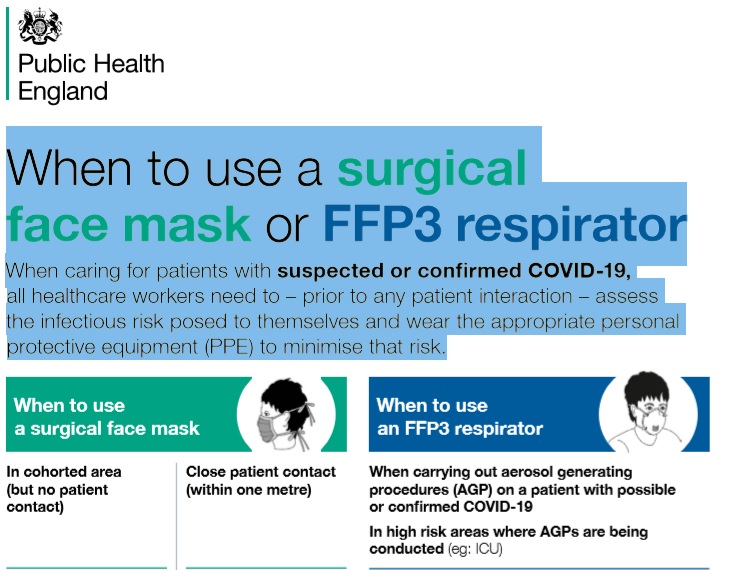
  • Parents who work with people with COVID-19 symptoms (e.g. medical and nursing staff or social care workers) wear Personal Protective Equipment (PPE), that protects them from being exposed to the virus;
  • PPE stock for the NHS and care homes were replenished last week. PPE delivery is continuing into this week too.
  • Therefore, parents who work with COVID-19 suspected people, are unlikely to be exposed to the virus, unprotected;
  • If, however, any parents or staff develop high temperature (37.8 or higher) and/or persistent cough, they must self-isolate at home for 7 days immediately and their children, as members of their household, because they may have been exposed to the virus at that point, will need to be isolated for 14 days. If, during this period, those who did not initially have symptoms now start showing symptoms, they must self-isolate for 7 days, from a day when fist symptom occurred;
  • It is recommended to schools to communicate these messages to all parents who classify as key workers and, every morning, school staff may ask the following questions:
    • Do you or your child or any member of your household have a high temperature (37.8 degrees or higher) and/or a persistent cough? If the answer is yes, they should not be allowed to leave their child at the school.


  1. What systems should be put in place to keep the staff safe?

For children and staff who remain at schools, social distancing measures and general hygiene measures should be applied at all times:

  • Washing hands more often – with soap and water for at least 20 seconds or use a hand sanitiser, if washing basin is not available, when you get home or into work/school, when you blow your nose, sneeze or cough, eat or handle food;
  • Avoid touching eyes, nose, and mouth with unwashed hands;
  • Avoid close contact with people who have symptoms;
  • Cover your cough or sneeze with a tissue, then throw the tissue in a bin and wash your hands;
  • All staff and children coming to school should avoid all non-essential public transport travel, whenever possible and, outside school hours, should minimise social interactions, as per the national guidelines;
  • In school, keep windows opened, keep a distance of 2m between children and staff, avoid contact sport, no ball games, use of books or keyboards;
  • Activities that can continue is a walk in a playground (but not using equipment that cannot be cleaned after each child) or watching educational programmes or movies;
  • Due to a reduced number of children in school, keeping open only a part of the school would make it easier to maintain regular cleaning;
  • PPE (Personal Protective Equipment) is not recommended for frontline staff who do not work with children and adults with COVID-19 symptoms.


  1. What is the current advice for staff with underlying health conditions?
  • The main objective of COVID-19 response is to protect our staff and vulnerable residents. To do this, we are recommending that people with underlying health conditions (as defined by Public Health England) must stay at home.This includes all frontline staff underlying health conditions;
  • We understand that, for some frontline staff, this is a particularly difficult decision as it may stop them from continuing in their current role. However, we do strongly advise you to follow the PHE and Barnet Council’s guidelines, in all circumstances. This is because these groups of staff, however healthy they are now, are at increased risk of catching the virus and having more severe illness with potentially serious outcomes;
  • It is unlikely that staff would not be aware or have undetected underlying conditions from the list specified in PHE guidelines. However, if staff are worried that this may be the case, they should contact their GP to confirm.


  1. What to do if someone develops symptoms of coronavirus (COVID-19) on site?
  • If anyone becomes unwell with a new, continuous cough or a high temperature in an education setting they should be sent home and advised to follow the staying at home guidance;
  • If a child is awaiting collection, they should be moved, if possible and if appropriate, to a room where they can be isolated behind a closed door. Settings should be mindful of individual children’s needs – for example it would not be appropriate for younger children to be alone without adult supervision. Ideally, a window should be opened for ventilation. If it is not possible to isolate them, move them to an area which is at least 2 metres away from other people;
  • If they need to go to the bathroom while waiting to be collected, they should use a separate bathroom if possible. The bathroom should be cleaned and disinfected using standard cleaning products before being used by anyone else;
  • If they need clinical advice, they (or their teacher, parent or guardian) should go online to NHS 111 (or call 111 if they don’t have internet access). In an emergency, call 999 if they are seriously ill or injured or their life is at risk. Do not visit the GP, pharmacy, urgent care centre or a hospital;
  • If a member of staff has helped someone who was taken unwell with a new, continuous cough or a high temperature, they do not need to go home unless they develop symptoms themselves. They should wash their hands thoroughly for 20 seconds after any contact with someone who is unwell.


  1. If someone on site developed COVID-19 symptoms, how do we ensure that the area is cleaned properly?

Public Health England has issued guidance for cleaning public areas for non-healthcare settings if they had a case of suspected COVID-19 infection.

The key things that must be followed are highlighted below. However, please read the full guidance carefully here. <<(https://www.gov.uk/government/publications/covid-19-decontamination-in-non-healthcare-settings/covid-19-decontamination-in-non-healthcare-settings)>>

  • Cleaning an area with normal household disinfectant after someone with suspected coronavirus (COVID-19) has left will reduce the risk of passing the infection on to other people;
  • If an area can be kept closed and secure for 72 hours, wait until this time has passed before cleaning. The level of contamination from the virus that might be living on surfaces will have reduced;
  • Wherever possible, wear disposable or washing-up gloves and aprons for cleaning. These should be double-bagged, then stored securely for 72 hours then thrown away in the regular rubbish after cleaning is finished;
  • Use a disposable cloth, first clean hard surfaces with warm soapy water. Then disinfect these surfaces with the cleaning products you normally use. Pay particular attention to frequently touched areas and surfaces, such as bathrooms, grab-rails in corridors and stairwells and door handles;
  • If an area has been heavily contaminated, such as with visible bodily fluids, from a person with coronavirus (COVID-19), consider using protection for the eyes, mouth and nose, as well as wearing gloves and an apron;
  • Follow the waste disposal procedure as outlined in the guidance, contaminated waste bags should be stored for 72 hours before being put out for collection;
  • Wash hands regularly with soap and water for 20 seconds, and after removing gloves, aprons and other protection used while cleaning.

Barnet Public Health Team – 22 March 2020


Barnet UNISON statement:

Please let the branch know if you are being told something different at your school by sending an email to

contactus@barnetunison.org.uk

You can keep up to date with Barnet UNISON here on our

Website here https://www.barnetunison.me.uk/wp/

Facebook https://www.facebook.com/BarnetUNISON/

Twitter https://twitter.com/barnet_unison

Barnet UNISON: Public Health guidance for Social Care workers

Dear Members

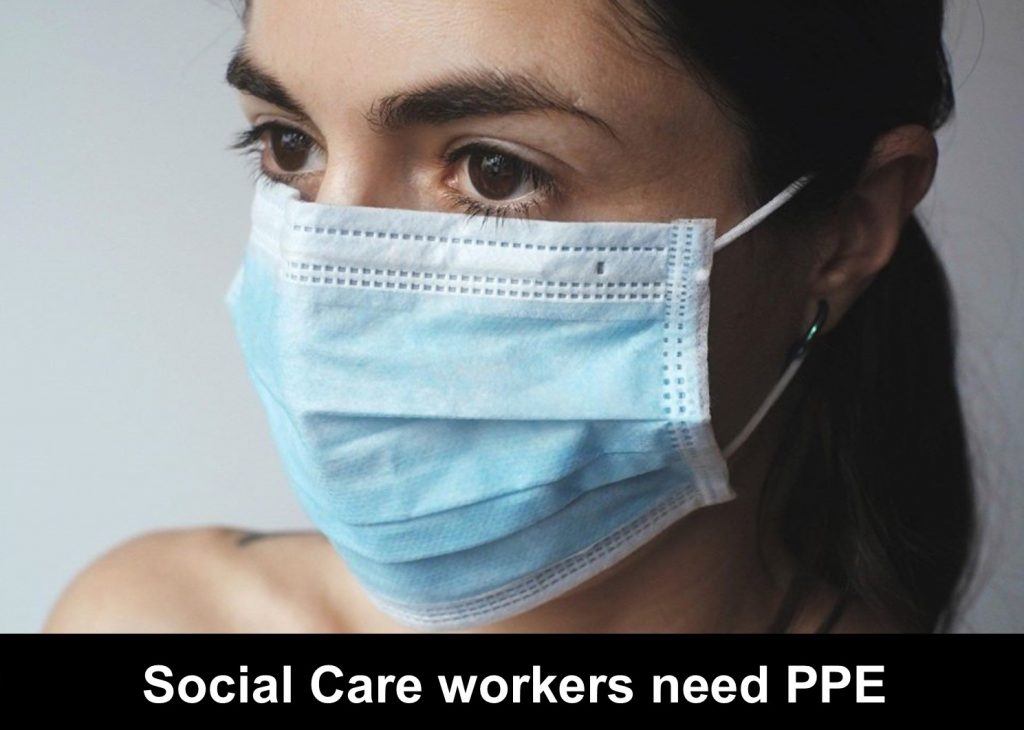
If you work in social care we want to make sure that you are being kept safe.

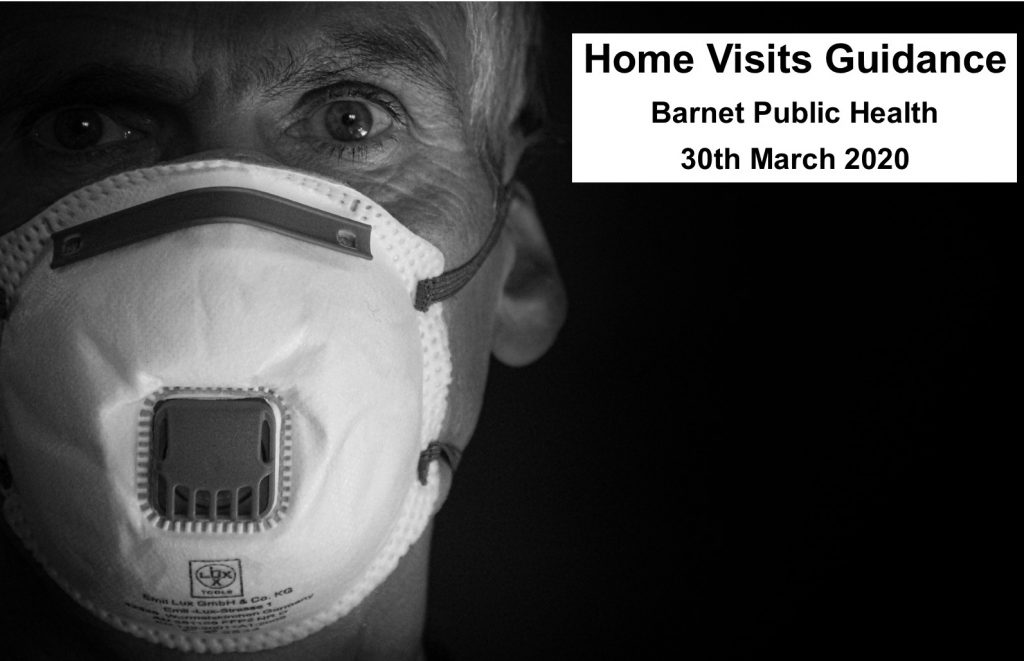
Below are links to Public Health England guidance for workers in Residential, Supported Living and Home Care.

Please read the information carefully. If you are not getting Personal Protective

COVID-19: guidance on residential care provision

Updated 19 March 2020

“Care home providers will routinely be procuring personal protective equipment (PPE) such as gloves and aprons. In addition, there will be a free issue of PPE to support adult social care providers to support compliance with the updated advice. This will be issued from the pandemic influenza stockpile. Arrangements will be put in place for adult social care providers to access further PPE as necessary.”

https://www.gov.uk/government/publications/covid-19-residential-care-supported-living-and-home-care-guidance/covid-19-guidance-on-residential-care-provision


COVID-19: guidance for supported living provision

Updated 19 March 2020

“Personal protective equipment

The risk of transmission should be minimised through safe working procedures. Care workers should use personal protective equipment for activities that bring them into close personal contact, such as washing and bathing, personal hygiene and contact with bodily fluids.

Aprons, gloves and fluid repellent surgical masks should be used in these situations.

In particular cases, if there is a risk of splashing then eye protection will minimise risk.

New personal protective equipment must be used for each episode of care. It is essential that personal protective equipment is stored securely within disposable rubbish bags.

These bags should be placed into another bag, tied securely and kept separate from other waste within the room. This should be put aside for at least 72 hours before being put in the usual household waste bin for disposal.”

https://www.gov.uk/government/publications/covid-19-residential-care-supported-living-and-home-care-guidance/covid-19-guidance-for-supported-living-provision


COVID-19: guidance on home care provision

Updated 19 March 2020

“Personal protective equipment

Care workers should use personal protective equipment (PPE) for activities that bring them into close personal contact, such as washing and bathing, personal hygiene and contact with bodily fluids.

Aprons, gloves and fluid repellent surgical masks should be used in these situations. If there is a risk of splashing, then eye protection will minimise risk.

New personal protective equipment must be used for each episode of care. It is essential that personal protective equipment is stored securely within disposable rubbish bags.

These bags should be placed into another bag, tied securely and kept separate from other waste within the room. This should be put aside for at least 72 hours before being put in the usual household waste bin.”

https://www.gov.uk/government/publications/covid-19-residential-care-supported-living-and-home-care-guidance/covid-19-guidance-on-home-care-provision


Barnet UNISON statement:

Please let the branch know if you are not being provided Personal Protective Equipment (PPE)

by sending an email to

contactus@barnetunison.org.uk

You can keep up to date with Barnet UNISON here on our

Website here https://www.barnetunison.me.uk/wp/

Facebook https://www.facebook.com/BarnetUNISON/

Twitter https://twitter.com/barnet_unison


BREAKING NEWS: Covid-19 – information for Barnet schools on pay/HR matters and Easter holiday provision

Please note the guidance below has been sent out to all Barnet Schools by Barnet Council on Friday 20 March 2020.

*** Highlights in have been added by UNISON


Pay and HR matters

Schools will clearly receive advice from their own HR provider, but the council (and Cambridge Education) are taking the following approach.

Staff who are required to isolate in accordance with Public Health England guidance will continue to receive their full pay.  This includes people who have shown Coronavirus symptoms (self-isolate at home for seven days), or live with someone who has symptoms (self-isolate at home for fourteen days), or have underlying health issues or who are pregnant.

Staff will also continue to receive their full pay if they need to care for children at home due to school closures, although, where possible, they are expected to work and be available to carry out other duties if required.

All such staff should work from home if they can.  They should identify themselves to their line managers immediately and agree arrangements for home-working.

Sick Pay

Staff who are not working (including home-working) due to sickness, whether they are self-isolating or not, will receive sick pay in accordance with the terms of their contract of employment.  This means that the period of sickness will count towards the calculation of sick pay entitlement (i.e. thus impact the number of weeks of sick pay available to them).  However, if they have Coronavirus symptoms, it will not trigger procedures in respect of staff having more than a certain number of days off sick or frequent sickness.


HR procedures

Headteachers should continue with any redundancies/restructures/TUPE transfers/ disciplinary hearings etc if necessary, but headteachers should consider the appropriateness of such activities if their school is closed or partially closed or if affected staff are either sick or self-isolating.


Easter opening

The government’s advice for parents says: Where possible, we would encourage childcare providers, schools and colleges to continue to look after critical workers’ children and vulnerable children throughout the Easter holidays.

Whether schools do that will be a matter for each school, taking account of staff availability, who volunteers, and the number of key workers who might need such provision over the holiday period.   Headteachers will no doubt find ways of managing their staffing resources flexibly and may wish to consider letting teaching staff and term-time only support staff who work during the Easter holiday have time off in lieu at a later date.

If you do plan to open during the Easter holiday, and require school meals, you will need to make arrangements with your school meals provider.

You may already have an arrangement with an outside provider to deliver services during Easter. Clearly this can continue and include vulnerable children and the children of key workers if necessary. We will be working with the voluntary sector to see what they can provide over the Easter period that your pupils may be able to access. We will keep a list of those schools, providers and voluntary organisations who are operating over the Easter period and will let you know what provision is available locally for your pupils if they require it.

Clearly faith schools will want to incorporate arrangements in relation to religious festivals into their planning.

Ian Harrison

Education and Skills Director

20 March 2020


Barnet UNISON statement:

Please let the branch know if you are being told something different at your school by sending an email to

contactus@barnetunison.org.uk


You can keep up to date with Barnet UNISON here on our

Website here https://www.barnetunison.me.uk/wp/

Facebook https://www.facebook.com/BarnetUNISON/

Twitter https://twitter.com/barnet_unison

A Public Voice about Private Fears : Poem by Flower Samuels

There were no bombs or guns, but sirens of fear
The threat of death
The smell of despair
No smoke, but the air held panic.
Laws which previously held goodness crumbled.
It was smiles and kind words
That were the shields
It was the simple act of giving which kept the fear at bay.
Our concern for others was the armour
As people stood and heard the silence
Waiting for the footsteps of terror to come closer
Closing their doors and locking their hearts
Others were called to act
Kindness could penetrate walls
Bring life where there was darkness.
It could open up a universe of truth.


written by Flower Samuels Barnet UNISON member.

Who are the Key Workers who need to have child care provided by Schools?

See below
Key Workers:
· Health and social care – includes doctors, nurses, midwives, paramedics, social workers, care workers, and other frontline health and social care staff including volunteers; the support and specialist staff required to maintain the UK’s health and social care sector; those working as part of the health and social care supply chain, including producers and distributers of medicines and medical and personal protective equipment.
· Education and childcare – includes nursery and teaching staff, social workers and those specialist education professionals who must remain active during the COVID-19 response to deliver this approach.
· Key public services – includes those essential to the running of the justice system, religious staff, charities and workers delivering key frontline services, those responsible for the management of the deceased, and journalists and broadcasters who are providing public service broadcasting.
· Local and national government – only includes those administrative occupations essential to the effective delivery of the COVID-19 response or delivering essential public services such as the payment of benefits, including in government agencies and arms length bodies.
· Food and other necessary goods – includes those involved in food production, processing, distribution, sale and delivery as well as those essential to the provision of other key goods (for example hygienic and veterinary medicines).
· Public safety and national security – includes police and support staff, Ministry of Defence civilians, contractor and armed forces personnel (those critical to the delivery of key defence and national security outputs and essential to the response to the COVID-19 pandemic), fire and rescue service employees (including support staff), National Crime Agency staff, those maintaining border security, prison and probation staff and other national security roles, including those overseas.
· Transport – includes those who will keep the air, water, road and rail passenger and freight transport modes operating during the COVID-19 response, including those working on transport systems through which supply chains pass.
· Utilities, communication and financial services – includes staff needed for essential financial services provision (including but not limited to workers in banks, building societies and financial market infrastructure), the oil, gas, electricity and water sectors (including sewerage), information technology and data infrastructure sector and primary industry supplies to continue during the COVID-19 response, as well as key staff working in the civil nuclear, chemicals, telecommunications (including but not limited to network operations, field engineering, call centre staff, IT and data infrastructure, 999 and 111 critical services), postal services and delivery, payments providers and waste disposal sectors.

Barnet UNISON members if you have any questions please email the branch at contactus@barnetunison.org.uk

UNISON in relation to Coronavirus, all workplaces including schools.

Dear Member

I thought I would share the latest update from UNISON in relation to Coronavirus, all workplaces including schools.  

“What is UNISON nationally is doing now?

We are seeking to work with national government, local government and education employers to draw up additional guidance. We have raised a range of issues with them including:

  • Which workers we believe should be defined as essential staff and have access to education facilities;
  • Closures and full pay – the need for reassurance around full pay for all staff including contractors (catering, cleaning etc), agency staff and sessional workers;
  • Health and safety – need for risk assessments, protective equipment, schools fully stocked with all necessary cleaning products and testing;
  • Postponement of redundancies/restructures/TUPE transfers/ disciplinary hearings etc during this period;
  • Joint working with unions and employers locally and nationally to help schools and pupils and staff through crisis with employers and unions recognising the need for flexibility. Asking for volunteers first when employers are seeking to re-deploy staff;”

More details here.

https://www.unison.org.uk/at-work/education-services/key-issues/covid-19-closures/

I have submitted the above to Barnet Council and requested that I need a response which I can share to all of our members.

Please note:

If you have any questions please email

contactus@barnetunison.org.uk


1 69 70 71 72 73 251